
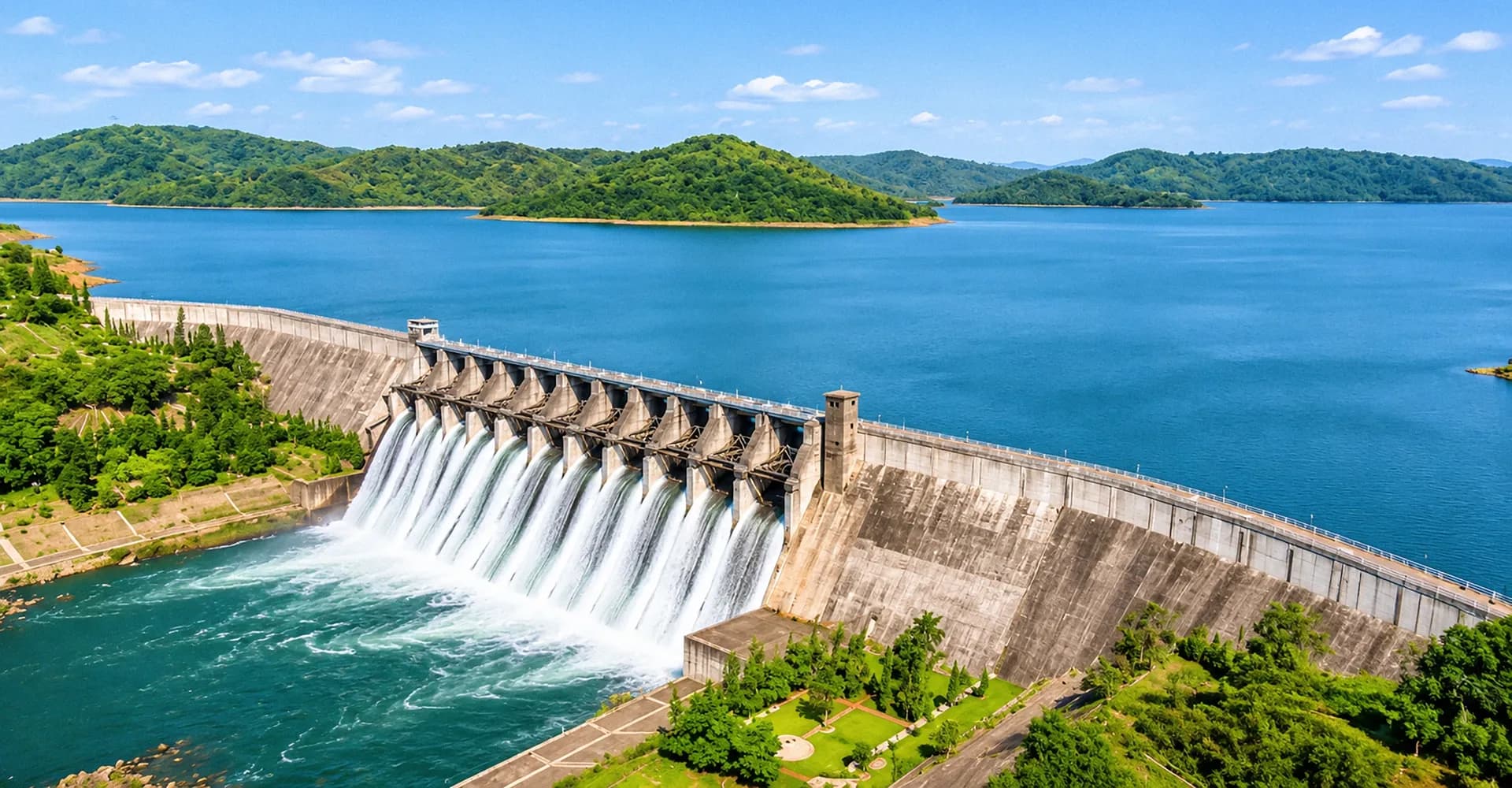
At Kolab Dam, the reservoir spreads out between the hills of southern Odisha. The shore is a good place to spend an afternoon after visiting Koraput’s hilltop Jagannath temple and museum. On another day, you can drive up to Deomali or follow the road to Duduma Waterfall. Eco Retreat Kolab offers a tented base in the reservoir region, with breakfast and dinner included so you can plan the hours in between around your outings.
This Koraput travel guide covers the dam, the sights worth travelling farther for and how to fit them into a one, two or three-day trip.
Overview of Koraput and Kolab Dam
Koraput is a district in southern Odisha known for its Eastern Ghats landscapes, coffee, handloom traditions and Adivasi heritage. Upper Kolab Dam is built across the Kolab River. It is about 20 km by road from Koraput town and 22 km from Koraput Railway Station. Eco Retreat Kolab is in the wider reservoir region at Lankaput.
| What to plan | Koraput and Kolab at a glance |
|---|---|
| Main attractions | Kolab Dam and Reservoir, Deomali Hills, Duduma Waterfall, Gupteswar Cave Temple, Sabara Srikhetra and the Tribal Museum |
| Best sightseeing months | October to March |
| Kolab Dam visiting hours | 6 am to 6 pm |
| Suggested trip length | One day for Kolab and Koraput town, or two to three days with a hill or waterfall excursion |
| Airport gateway | Jeypore Airport, about 45 km from Kolab Dam |
| Eco Retreat Kolab season | 1 December 2026 to 31 March 2027 |
| Accommodation | Deluxe Tent and Premium Tent, from ₹7,000 per tent per night plus applicable taxes |
| Meal plan | Breakfast and dinner included, with à la carte lunch charged separately |
Discover What Makes Koraput Special
What Is Koraput Famous For?
Koraput is known for Deomali, Odisha’s highest peak, and the hill and valley landscapes of the Eastern Ghats. Water is also part of the district’s appeal. Kolab has a broad reservoir framed by hills, while Duduma Waterfall drops into the Machkund Valley. Each makes a different kind of outing.
The district is also associated with Koraput coffee and Kotpad handloom. In Koraput town, Sabara Srikhetra and the Tribal Museum are close enough to visit together. They are a good introduction to the region’s cultural heritage before you spend a day out in the hills.
Hills, Waterfalls and Green Valleys of Koraput
The landscape changes as you travel through the district. Deomali has open grassland and views across several ridges. Duduma is a waterfall outing with a forested valley. Around Kolab, the views are lower and wider, with the shape of the reservoir visible from the shore.
Use these differences to plan the trip. Choose Deomali if you want an open hill viewpoint or a walk. Choose Duduma if you want to see the waterfall and valley. Keep Kolab for a day when you would rather spend a few hours outdoors and still have time for a meal or a visit in town. These sights are spread out, so make one farther attraction the focus of a day.
Why Plan a Trip to Koraput?
A trip to Koraput works well when you want a few days outdoors with some time for food, craft and history. You can spend a morning at the museum and an afternoon by the reservoir, then choose a hill or waterfall for your next full day. A short trip can feel complete with that much on the itinerary.
For a family trip, the town sights and reservoir give you room to adjust the pace. Friends who want a longer outing can plan Deomali or Gupteswar. If you are coming for a quiet Koraput stay, choose one excursion and keep another morning for breakfast and time at the retreat.
Visit Kolab Dam and Enjoy Its Peaceful Surroundings
A Closer Look at Kolab Dam in Odisha
Upper Kolab Dam, often called Kolab Dam, is built across the Kolab River in Odisha’s Koraput district. It is part of a hydroelectric project. The dam holds back the water that forms the reservoir, which spreads into the surrounding hills and gives the area its broad views.
For visitors, the public viewpoints and garden are the main places to spend time. Use the visitor entrance and the areas open to the public. Allow roughly two hours if you want to see the view from more than one spot and take a walk through the garden when it is accessible. A longer stop is useful if photography is your main reason for visiting.
Enjoy the Views of Kolab Reservoir
From a public viewpoint, take a moment to look along the shoreline before turning back towards the dam. The reservoir widens between the hills, and the distance between the near shore and the far ridges is easier to appreciate when you stop for a while. In the late afternoon, you can often see more detail in the slopes and reflections.
If you are with children or older relatives, choose one accessible viewpoint and leave enough time to sit and look around. A walk near the garden can add variety if it is open. Use the dam visitor location for directions when sightseeing and the retreat’s Lankaput arrival details when checking in.
Places to See Around Kolab Dam
| Place | Approximate distance from Kolab Dam | What to see |
|---|---|---|
| Kolab Reservoir and public garden | At the dam visitor area | Water and hill views, photography and a garden stop |
| Sabara Srikhetra | 15 km | Koraput’s hilltop Jagannath temple and the adjoining Tribal Museum |
| Sahasra Shivalinga Temple | 25 km | A Shiva shrine in a rocky hill setting |
| Deomali Hills | 55 km | Mountain views, grassland and outdoor walks |
Distances are approximate and refer to the dam area. For a short visit, pair the reservoir with Sabara Srikhetra and the museum. Give Deomali a separate outing so you have time at the viewpoint and a comfortable return drive.
When Is the Best Time to Visit Kolab Dam?
October to March is generally the best time to visit Kolab Dam for a walk around the public area and time by the reservoir. Mornings are useful for a quieter visit, while the late afternoon can suit photography. If you are travelling in winter, take a light warm layer for the hours before the day warms up.
Kolab Dam’s public visiting hours are 6 am to 6 pm. Arrive well before closing if you want time for both the viewpoints and the garden. If you are planning around the evening light, check the day’s opening arrangements and sunset time before you leave.
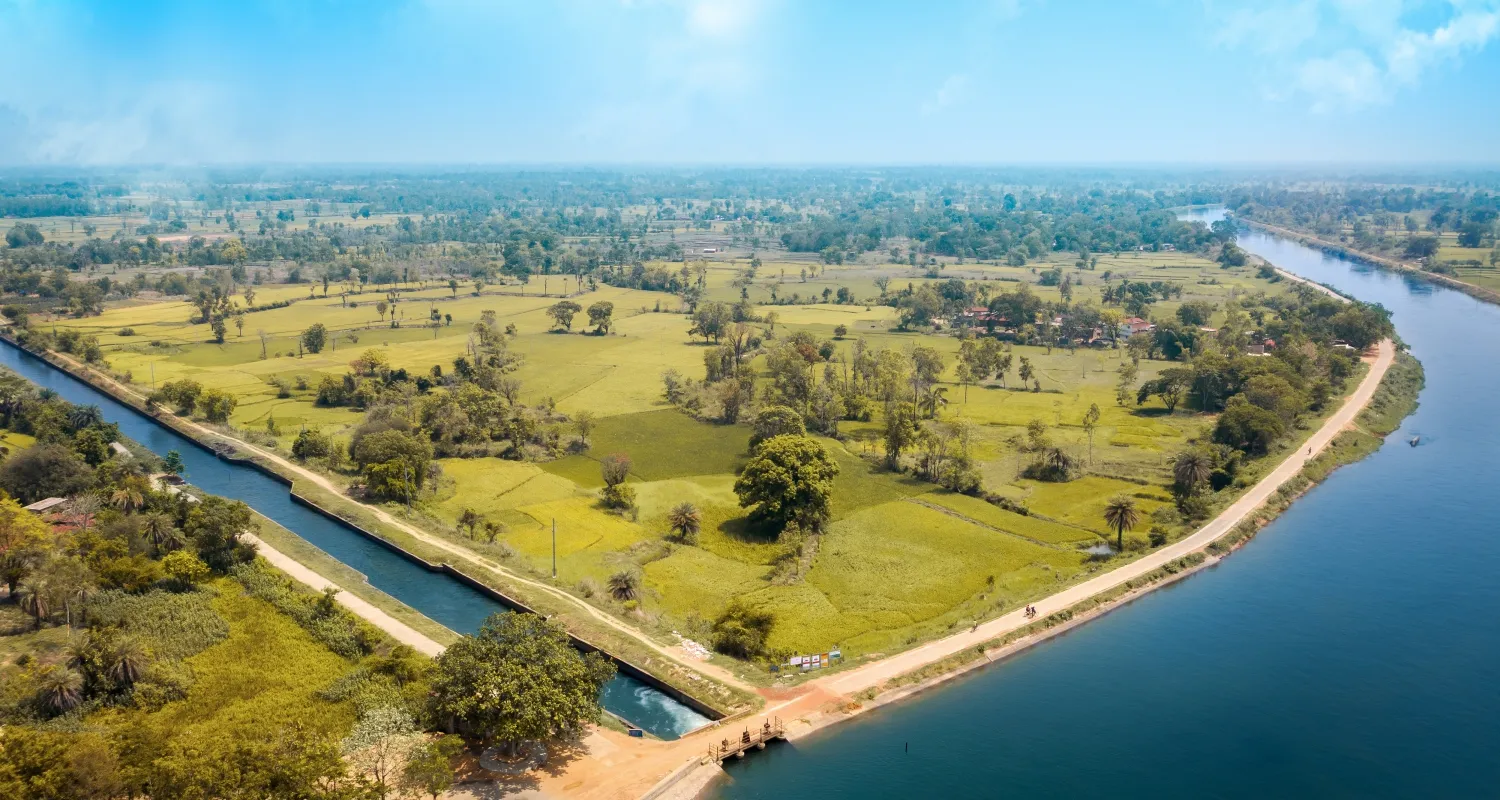
Popular Tourist Places to Visit in Koraput
Deomali Hills for Scenic Views and Outdoor Experiences
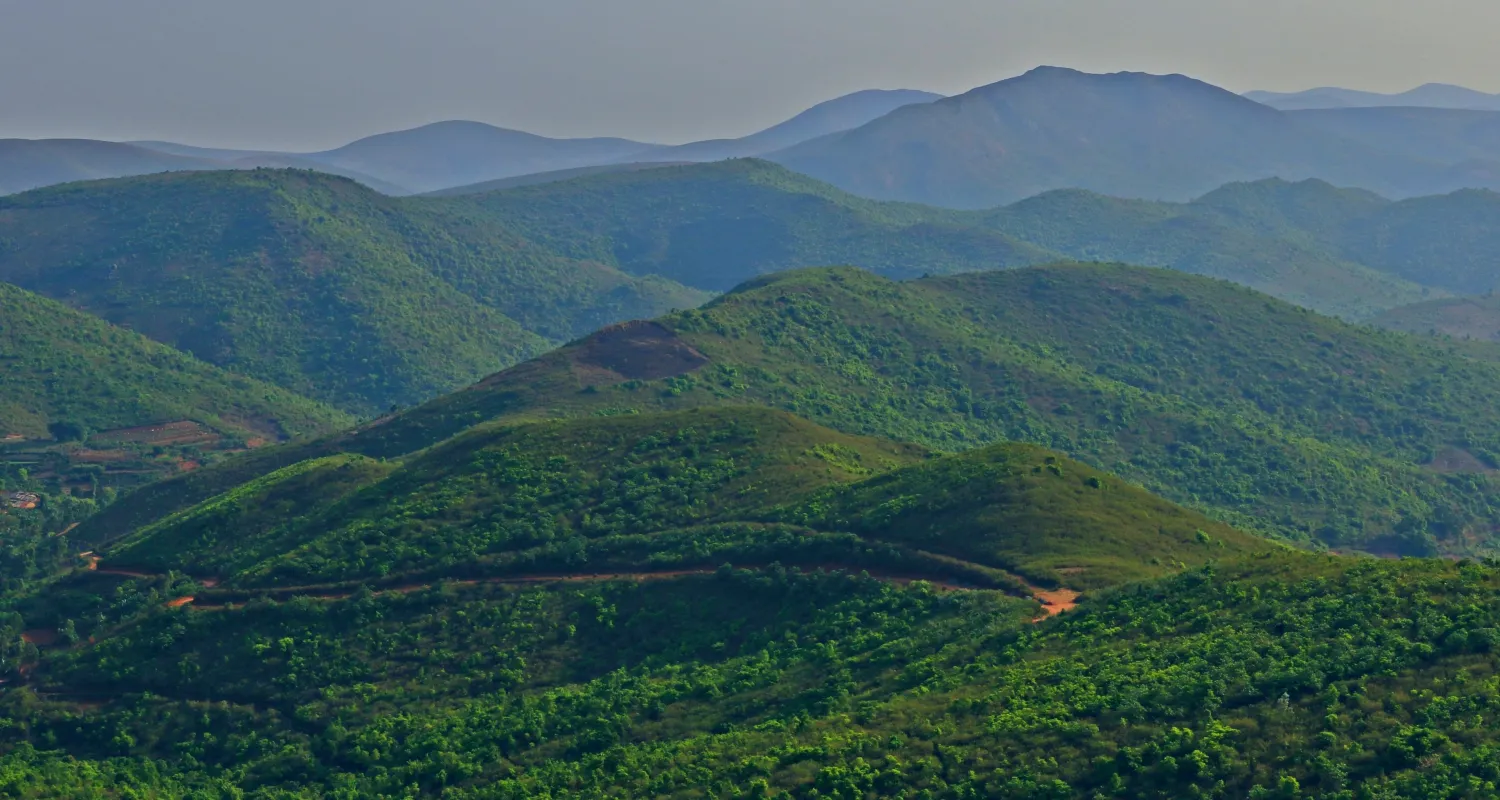
Deomali rises to about 1,672 metres and is Odisha’s highest peak. The approach opens out onto grassland and views of the Eastern Ghats. You can go for the drive and viewpoints, or allow more time for a walk if the weather and access suit your group.
Deomali is approximately 55 km from Kolab Dam. Start early if you want time at several stops along the way. If visibility is poor, consider a shorter visit and leave a flexible afternoon back at your base. For families with different walking abilities, agree in advance whether the outing will centre on the viewpoints or include a longer walk.
Duduma Waterfall and Its Surrounding Landscapes
Duduma Waterfall is on the Machkund River near the Odisha–Andhra Pradesh border. The water falls into a steep valley bordered by wooded hills. The designated viewpoints give you a clear sense of the drop and the size of the valley. The amount of water and the view change with the season.
Duduma is roughly 50–60 km from the Kolab area, depending on the route. Leave enough time for the hill roads, a stop at the viewpoint and the return journey. Post-monsoon and winter visits are good options. Check local access if it has been raining and stay on the paths open to visitors.
Gupteswar Temple and Its Religious Importance
Gupteswar is a Shiva shrine inside a natural limestone cave in a forested part of Koraput district. Steps form part of the approach and the cave visit. The temple is an option if you want to spend a day on a pilgrimage and see a different part of the district on the drive.
Check the visiting hours and the approach if you are travelling with someone who finds stairs difficult. Give the shrine time of its own, particularly if you are visiting around a festival. A Gupteswar outing fits more comfortably into the itinerary when the rest of the day is left open for the drive, a meal stop and the return to your stay.
Sabara Srikhetra and Its Cultural Significance
Sabara Srikhetra is Koraput town’s hilltop Jagannath temple. Its name reflects the connection between Jagannath worship and the Sabara community. The hill setting gives you a view across the town and surrounding slopes.
Allow time for the temple and the adjoining Tribal Museum. A morning in this part of town can also include lunch or a coffee stop before you drive to Kolab. If the temple is your main reason for visiting Koraput, check its current darshan schedule and plan the museum around its own opening hours.
Tribal Museum and the Heritage of Koraput
The Tribal Museum near Sabara Srikhetra displays woven clothing, musical instruments and other objects connected to the communities of the region. Look at the labels and the way objects were used. The collections make it easier to understand why weaving, music and local markets are part of a wider trip through Koraput.
Pair the museum with the temple so the two stops take up one part of the day. Check museum hours separately before travelling. If you have time afterwards, stop in town for a cup of local coffee or browse a shop that carries handloom from the region.
Places to See Near Kolab Dam
Viewpoints with Lovely Views of the Reservoir
Begin with the public viewpoints in the Kolab Dam visitor area. A wider view is useful for seeing the hills and the spread of the water together. Closer to the garden and the shore, you may find details such as reflections or the outline of a wooded bank. Stay within the areas open to visitors and give yourself time at one spot before looking for another.
For a family visit, use the viewpoint that best suits the group’s walking pace. If you are visiting for photographs, spend the first few minutes looking at the light and deciding how much of the shore to include in the frame. You can see a lot of the landscape from one well-chosen spot.
Local Villages and Nearby Attractions
Kechela, a village on the southern bank of the Kolab, is known for its Jain heritage. Ask locally about the current approach and access before making it part of your day. Koraput town is an easier addition when your time is limited. The temple, museum and market can fit into the same outing.
If you are interested in a village visit or a local haat, ask about the day it operates and whether visitors are welcome. Go for the produce, craft or conversation you are interested in. Ask before photographing people or entering private areas, and allow time for the visit instead of stopping only for pictures.
Hills and Waterfalls Around Koraput
Putsil is an option for open hill views and a longer drive through the Eastern Ghats. Deomali suits a trip focused on higher viewpoints and grassland. Duduma is the better choice if you want a waterfall and valley outing. Each is worth more than a quick stop when you include the road journey from Kolab.
If your Koraput itinerary includes a full day outdoors, pick the site your group most wants to see. For a mountain drive with a more flexible walk, choose Putsil or Deomali. For a waterfall, plan Duduma and keep the rest of the day open for the approach, viewing area and return.
Things to Do During Your Kolab Dam Visit
Spend Time by the Kolab Reservoir
A reservoir visit can be as simple as a short walk, a few photographs and time to sit in a public visitor area. If you are coming from Koraput town, do the temple and museum first and give Kolab the latter part of the day. If you are staying nearby, you can make the reservoir the main outing and return to the retreat for a break afterwards.
Ask locally about boating if it is part of your plans. At Eco Retreat Kolab, boating and water activities are paid options and depend on availability and operating conditions. Check departure details with the retreat before setting out. A public viewpoint visit can easily fill a shorter afternoon on its own.
Enjoy Outdoor Activities and Photography
For landscape photographs, include a near stretch of shore with the far hills to show the scale of the reservoir. Early and late light can bring out detail in the slopes. Bring a light layer if you will be outside early and shoes that work for the paths you plan to use.
If you are looking for things to do near Kolab Dam and want a more active morning, guests can use the retreat’s cycling trails. Target sports and water activities are available at an additional charge, subject to the programme. Plan longer walks at Deomali or Putsil as separate trips.
Learn About Local Culture and Tribal Traditions
Start at the Tribal Museum if you want context for the textiles, music and household objects associated with the region. Then make time for one living tradition that interests you. A handloom shop, a local market or an arranged coffee plantation visit can give you more time to learn than several brief stops.
Koraput is associated with Kotpad handloom. If you are buying a textile, ask where it was woven and how to care for it. At a village market, check the market day before travelling and let the people you meet set the pace of any conversation or photography.
Try Local Food and Experience Koraput’s Lifestyle
Make time for Koraput coffee if you are stopping in town. For a regional meal, look for finger millet dishes such as mandia jau or bamboo shoot preparations when available. What is served depends on the season and the place you eat, so ask about the day’s options.
A town lunch can fit between the museum and a visit to Kolab Dam. If you are taking a longer drive to Duduma or Gupteswar, decide where you will eat before leaving. Guests at the retreat can also order à la carte lunch when they plan to spend the day close to the tents.
Plan Your Koraput Trip with These Travel Itineraries
One-Day Plan for a Visit to Kolab Dam
| Time | Suggested plan |
|---|---|
| Morning | Visit Sabara Srikhetra and the Tribal Museum in Koraput town, subject to opening hours. |
| Midday | Stop for lunch or coffee in town. |
| Afternoon | Drive to Kolab Dam, see the public viewpoints and spend time in the garden if open. |
| Before evening | Leave the dam area by 6 pm and return to town or continue to your accommodation. |
If the reservoir is your priority, go to Kolab first and visit the town afterwards. The schedule works best when you are already in Koraput or arrive early enough to enjoy the two sites without rushing.
Two Days in Koraput for Sightseeing and Relaxation
| Day | Suggested plan |
|---|---|
| Day 1 | Arrive in Koraput, visit the temple and museum if time allows, then continue to Eco Retreat Kolab. Check in and spend the evening at the retreat. |
| Day 2 | Have breakfast and visit Kolab Dam before your onward journey. If staying a second night, leave the afternoon free for an included activity or a short town outing. |
If you are booking one night, check your departure time before adding the dam visit after check-out. For two nights, you can put the museum and reservoir on different days and spend more time at each.
Three-Day Itinerary to Cover Major Attractions
| Day | Suggested plan |
|---|---|
| Day 1 | Visit Sabara Srikhetra and the Tribal Museum before checking in, or keep the town for departure day if you arrive late. |
| Day 2 | Make Deomali or Duduma the main outing. Start after an early breakfast and leave room for the drive, the viewpoint and lunch. |
| Day 3 | Visit Kolab Dam in the morning, then continue to Koraput or Jeypore for your onward journey. Check out before sightseeing if you are leaving the retreat that day. |
If you would rather see Gupteswar, use Day 2 for the cave temple. Choose one of the longer outings so you can enjoy the stop without watching the clock on the way back.
Other Nearby Destinations to Include in Your Trip
| Destination | When it fits |
|---|---|
| Jeypore | On an arrival or departure day through Jeypore Airport, if there is time for a town stop |
| Sahasra Shivalinga Temple | On a day when you want a temple outing and have time for the onward road journey |
| Putsil | On a dedicated day for hill scenery and photographs |
| Koraput coffee plantation | On a day with time for a prearranged tour and the travel to the plantation |
For a short Koraput trip, build the plan around the place you most want to visit and add stops that sit on the same route. On an airport day, allow enough time for the transfer before committing to another outing.
How to Reach Kolab Dam
Nearest Railway Station and Airport
| Travel mode | Gateway | Approximate distance to Kolab Dam | Indicative road transfer |
|---|---|---|---|
| Rail | Koraput Railway Station | 22 km | 30–40 minutes |
| Air, nearest airport | Jeypore Airport | 45 km | 1 hour to 1 hour 15 minutes |
| Air, major airport | Visakhapatnam International Airport | 220 km | 5–6 hours |
| Bus or road | Koraput town or bus stand | 20 km | 30–40 minutes |
Check flight or train options for your travel dates. The figures above are for the dam visitor area. If you are going straight to Eco Retreat Kolab, share the Lankaput location from your booking confirmation with your driver.
Travel from Koraput Town to Kolab Dam
Kolab Dam is about 20 km by road from Koraput town. A taxi or private car is the simplest option if you want to stop at both the town and the reservoir. Share the public dam visitor entrance when you arrange the car, then agree on a pick-up time for the return.
Allow about 30–40 minutes for the drive under normal conditions. If you are travelling directly from the railway station, use the approximate 22 km figure. The distance from a specific hotel, market or temple depends on the route you take.
Road Travel and Local Transport Options
For a day at Kolab and Koraput town, book a return taxi or arrange a car with the stops agreed in advance. This is especially useful when you want to stay at the reservoir until late afternoon. Travellers coming through Jeypore can arrange a road transfer from there.
For Deomali, Duduma or Gupteswar, confirm the route with your driver and allow time for hill roads and meal stops. Keep the retreat address, the dam visitor entrance and any other destination pins available separately. Airport and railway-station transfers to the retreat should be arranged in advance.
Enjoy a Relaxing Stay at Eco Retreat Kolab
Stay Close to the Natural Beauty of Kolab
Eco Retreat Kolab offers a seasonal tented stay in Lankaput, in the Kolab reservoir region. It suits travellers who want some time outdoors and a base for excursions into Koraput. You can spend one day at the dam and in town, then choose a longer outing or stay close to the retreat for cycling and time to rest.
When comparing a Kolab Dam stay, decide how much time you want to spend in town and how much you want near the reservoir. A tented stay works well if you want to return for dinner and spend the evening at the retreat. Use the property’s arrival details to plan the final drive.
Accommodation Options and Facilities
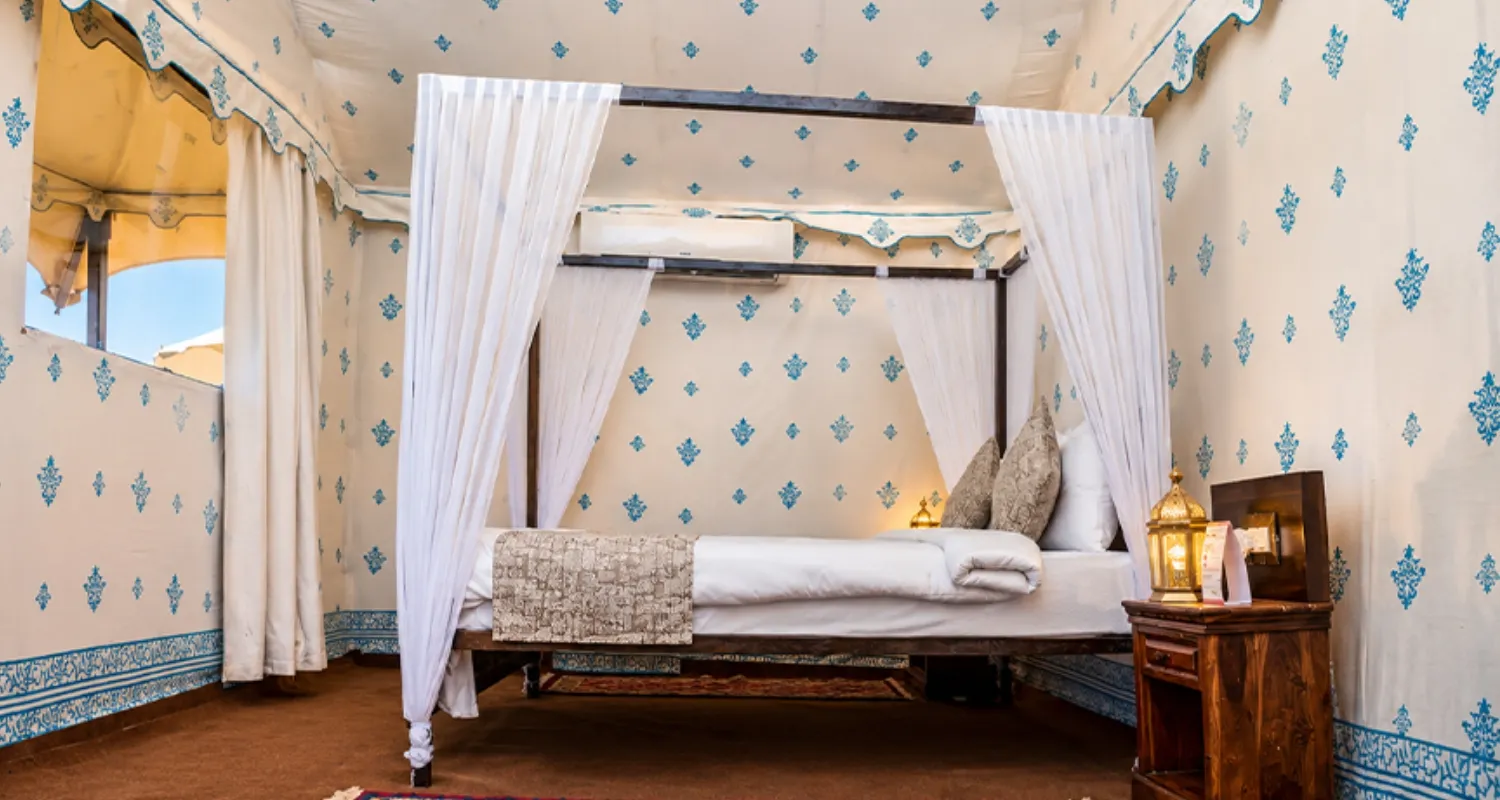
Eco Retreat Kolab offers Deluxe Tents and Premium Tents. Both include breakfast and dinner. Choose according to your guest count and bedding needs. If you are travelling with children or booking more than one tent, check the occupancy and extra mattress arrangements when you reserve.
The stay includes cycling trails, Zumba, access to the kids’ zone, and scheduled cultural evenings and Eco Retreat Theatre. Guests can browse the handloom shop and ask the travel desk for sightseeing help. Handloom purchases, paid activities and excursions carry separate charges. Check the programme for your dates if a particular experience matters to your group.
Food and Dining at Eco Retreat Kolab
Breakfast and dinner are included in the stay. Lunch is available à la carte and charged separately. If you plan to spend the day at the retreat, you can order lunch there. For a day out, plan a meal in Koraput town or along the route and return for dinner.
Share dietary requirements when you reserve. If you want to try food or coffee from the region, allow time for a town stop or ask about the paid coffee plantation tour. Confirm what the tour includes before reserving it.
How to Book Your Stay at Eco Retreat Kolab
Choose the Right Accommodation for Your Trip
| Accommodation | Starting rate per tent per night |
|---|---|
| Deluxe Tent | ₹7,000 |
| Premium Tent | ₹9,000 |
Applicable taxes are charged separately. The 2026–27 season runs from 1 December 2026 to 31 March 2027. Enter every guest when you compare the two categories. The total depends on your dates, occupancy and any extras you add.
Check Stay Packages and Available Facilities
Check-in is at 1 pm and check-out is at 10 am. Review bedding, occupancy and any extra mattress charges before confirming. If you plan to visit the dam on departure day, arrange the check-out and vehicle pick-up so you have time for both.
| Included in the stay | Available at an additional charge |
|---|---|
| Breakfast and dinner | À la carte lunch and bar purchases |
| Cycling trails, Zumba and kids’ zone | Boating and water activities, when operating, and target sports |
| Scheduled cultural evenings and Eco Retreat Theatre | Koraput Coffee Plantation Tour and Kalyamali Mountain excursion, subject to availability |
| Sightseeing assistance at the travel desk | Excursion transport and personal purchases |
Book Your Eco Retreat Kolab Stay
- Open the Kolab Eco Retreat booking page and select your dates and tent category.
- Add the number of tents and enter the details of all guests in each tent.
- Review the meal plan, taxes, final amount and cancellation terms. Complete the reservation and save the confirmation with the Lankaput arrival details.
Book your stay at Eco Retreat Kolab.
Conclusion
Give Kolab Dam an afternoon of its own and leave a morning for Sabara Srikhetra and the Tribal Museum. If you have a third day, choose Deomali for the hills, Duduma for the waterfall or Gupteswar for a temple outing. With a tented stay near Kolab, you can return for dinner and keep some time by the reservoir between trips.